To the Editor: Fourth of July, a day to celebrate independence and freedom in America. Also a good day to honor the work of the Colonial patriots of 1776, who migrated from Europe, and the work of generations of other immigrants who followed in their footsteps. Working hard generation after generation, they helped make our country the economically strong country we live in today.
Today our American economy still needs immigrant workers to provide an adequate workforce. Many of our NH retail stores, healthcare services & hospitality businesses are currently unable to find adequate staff to serve the public need. According to the US Chamber of Commerce website, NH is listed on their Worker Shortage Index as one of the most severe in our country.
And all this is happening while asylum seekers at our borders are seeking safety for their families and jobs to support those families. Instead they are being prevented from doing so. So they wait and wait at our borders when they could be working, supporting their families, and paying income taxes. That makes no sense!
I am writing to ask our US Congress members to update our very outdated Immigration laws immediately. Bills such as Lifting Immigrant Families Through Benefits Access Restoration Act (LIFT the BAR Act) and the Asylum Seeker Worker Authorization Act of 2023 will not only benefit DACA recipients and Green Card Holders but will boost our local economies and businesses.
Time for all Congresspersons to put constituents before party affiliation or elite donors!
HR 1325, The Asylum Seeker Work Authorization Act, reduces the waiting period for asylum-seekers to obtain work permits in the U.S. to 30 days from 6 months. Asylum seekers now often wait from 8 to 15 months to get a work permit, leading to more economic crises for them and heavier burdens on U.S. taxpayers and municipalities.
The bill has bipartisan support and is currently in the House Judiciary Committee. Clickhereto see if your House Representative has sponsored the bill, and ask them to co-sponsor it if they haven’t. If your House Rep. is on the Judiciary Committee, ask them to advocate bringing it up for a vote.
Check out the Spring 2023 Newsletter from Welcoming NH.
Immigrants face every issue affecting every other group in NH, the Elderly, the Young, Education, Voting Rights, Healthcare, including mental healthcare, employment and more.
As well as our Website and Newsletter Welcoming NH also facilitates a bimonthly table for those who work with and support immigrants in NH. If you aren’t on our email list for our newsletter or you’d like to attend our bi-monthly Table please email welcomingnh@miracoalition.org.
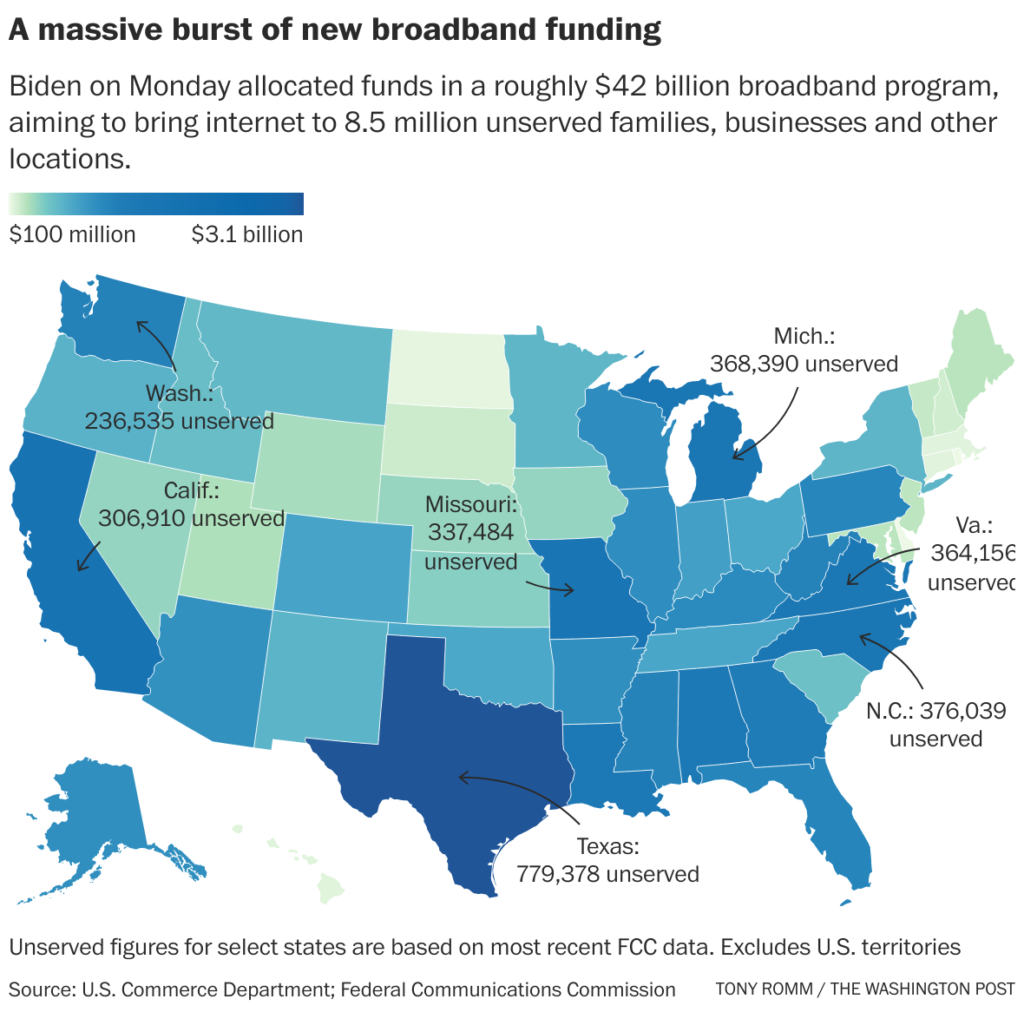
There are efforts in motion to improve Digital Equality in New Hampshire and we need to be sure the right people are at the table! Join us to learn about the grants and how we can affect the work to make sure it is what it needs to be in NH. Join us to learn about what is happening and what will happen in NH and how to influence the outcome.
WEDNESDAY, JUNE 14, 2023 AT 9 AM – 11 AM, VIA ZOOM
The National Collaborative for Digital Equity’s (NCDE) aim is to support sustained efforts to eliminate the digital divide as a barrier to economic and educational opportunity. As a federally tax-exempt nonprofit, NCDE provides free dissemination and policy education as well as comprehensive, fee-based consulting services, in support of digital equity for economic and educational inclusion.
Their commitment is to “field building” — generating a sustained national infrastructure to support evidence-based practices in eliminating the digital divide as the crushing barrier it presents to the nation’s low- and moderate-income earners and communities.
The Department of Commerce’s use of Bipartisan Infrastructure Deal Funding to help Close the digital divide specifically, $2.75 billion to fund Digital Equity. We know that digital exclusion carries a high societal and economic cost; reduces economic opportunity, educational achievement, positive health outcomes, social inclusion, and civic engagement; and exacerbates existing wealth and income gaps. The Digital Equity Act, which was included as a part of the Bipartisan Infrastructure Deal provides NTIA with funding for three grant programs to promote digital inclusion and equity for communities that lack the skills, technologies and support needed to take advantage of broadband connections. NTIA will provide states with digital equity planning grants. NTIA will also implement a formula-based state grant program and a competitive grant program with funds available to accelerate the adoption of broadband through digital literacy training, workforce development, devices access programs, and other digital inclusion measures.